Grow women-owned enterprise
Encourage business training, market access, procurement relationships, financial capability, and mentorship that support sustainable enterprise and stronger household incomes.
 RAKUROYAL AFRICAN KINGDOMS UNION
Ministry 08 · Royal African Kingdoms Union
Opportunity without a ceiling.
Our vision
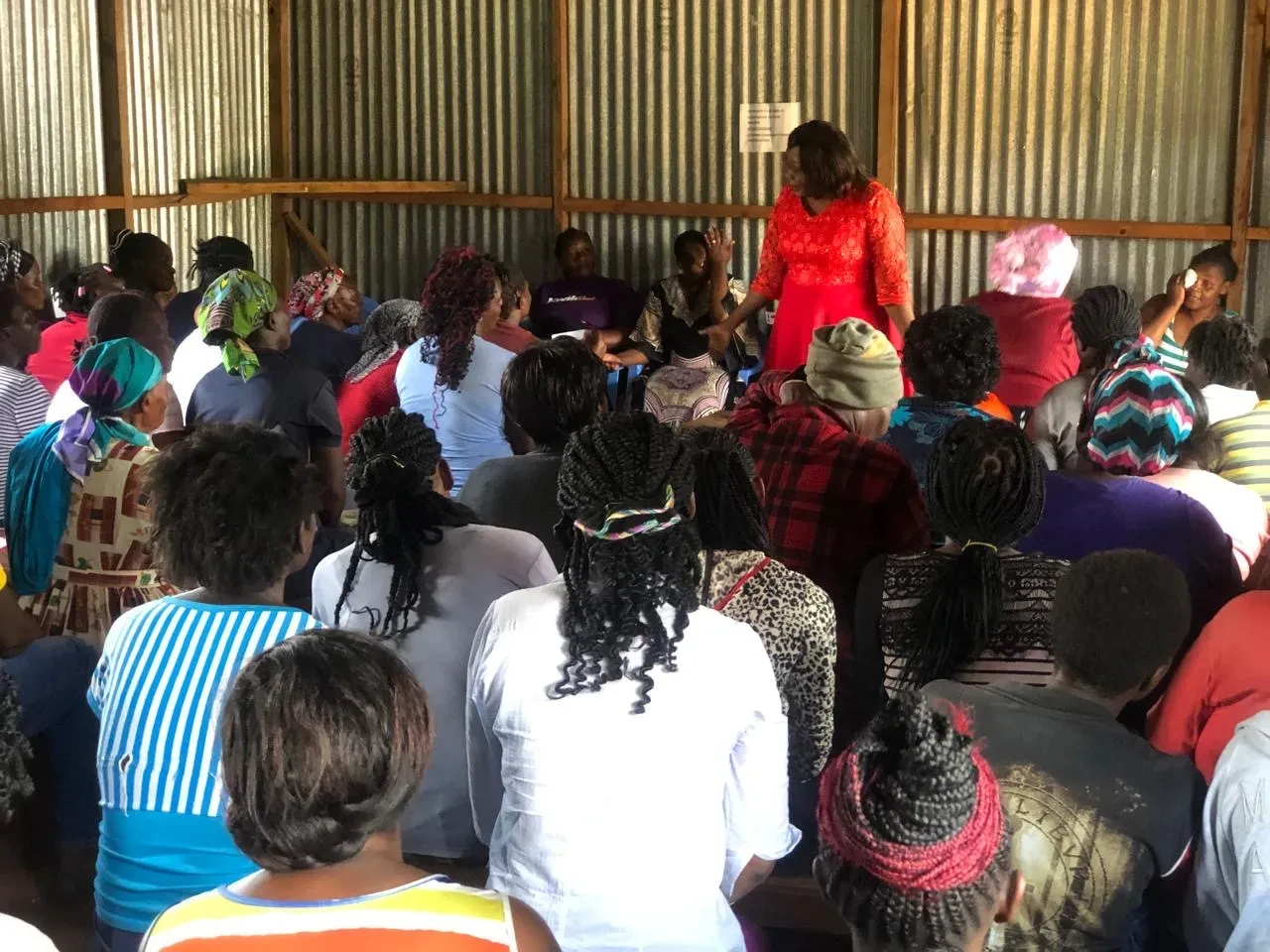
Our vision is an African economy shaped by the full contribution of women, young people, and the global African diaspora. Talent should have a pathway to leadership, ownership, enterprise, and meaningful influence over the decisions that shape community life.
RAKU seeks to turn connections into practical opportunity. Mentorship should lead to capability, training should connect to livelihoods, and diaspora engagement should produce lasting partnerships built around priorities identified by African communities.
Our ambition is to help African communities meet and help shape global standards of quality, innovation, service, and opportunity. Progress must be rooted in African ownership, dignity, and the priorities of participating kingdoms.
Encourage business training, market access, procurement relationships, financial capability, and mentorship that support sustainable enterprise and stronger household incomes.
Connect young people with apprenticeships, entrepreneurship support, digital skills, leadership development, and experienced professionals who can help them navigate opportunities.
Develop relationships that connect diaspora skills, research, investment experience, and professional networks with well-prepared community and enterprise projects.
Promote meaningful participation by women and young people in consultation, project design, cultural exchange, and the evaluation of development priorities.
The Ministry’s proposed approach begins with listening to participating kingdoms and documenting the needs, assets, and opportunities they identify. RAKU seeks to bring the relevant technical institutions, businesses, community representatives, and development partners into a shared planning process.
Priority proposals should define the intended beneficiaries, delivery responsibilities, realistic costs, funding approach, risks, and arrangements for long-term operation. Local skills transfer and opportunities for African enterprises should be built into project design from the beginning.
Potential measures include enterprise survival and growth, paid youth opportunities, active mentorship relationships, diaspora knowledge-transfer partnerships, and participation in leadership processes.
Project-specific baselines and targets should be agreed before implementation, with progress communicated transparently to participating communities and partners.
This page presents RAKU’s ministry vision and proposed areas of cooperation. Specific appointments, funded programs, delivery partners, and implementation milestones will be announced as they are established. Photographs illustrate the themes and do not imply a partnership or a completed RAKU project.
Explore cooperation with the Union ↗