Protect living knowledge
Support community-led documentation of oral histories, languages, customary knowledge, royal records, and historic places. Digital preservation should respect custodianship, consent, and appropriate access.
 RAKUROYAL AFRICAN KINGDOMS UNION
Ministry 01 · Royal African Kingdoms Union
Heritage that creates opportunity.
Our vision
Africa’s royal institutions hold knowledge, identity, and relationships that can help communities shape their own development. Our vision is to make heritage a source of confidence, livelihoods, and international influence while safeguarding the traditions that give each kingdom its distinct character.
Culture belongs at the center of economic development. Museums, archives, festivals, design, crafts, and heritage tourism can support skilled employment and thriving local businesses. RAKU seeks cooperation that allows communities to tell their own stories, retain the value of their cultural assets, and participate in a global creative economy on fair terms.
Our ambition is to help African communities meet and help shape global standards of quality, innovation, service, and opportunity. Progress must be rooted in African ownership, dignity, and the priorities of participating kingdoms.
Support community-led documentation of oral histories, languages, customary knowledge, royal records, and historic places. Digital preservation should respect custodianship, consent, and appropriate access.
Connect artisans, performers, designers, and cultural entrepreneurs with training, market access, intellectual-property expertise, and business partnerships that reward original creators.
Encourage well-managed cultural routes, festivals, visitor facilities, and hospitality services that create local jobs and protect the character of historic communities.
Create opportunities for exchanges among royal institutions, shared heritage initiatives, and youth learning that connects cultural continuity with modern leadership.
The Ministry’s proposed approach begins with listening to participating kingdoms and documenting the needs, assets, and opportunities they identify. RAKU seeks to bring the relevant technical institutions, businesses, community representatives, and development partners into a shared planning process.
Priority proposals should define the intended beneficiaries, delivery responsibilities, realistic costs, funding approach, risks, and arrangements for long-term operation. Local skills transfer and opportunities for African enterprises should be built into project design from the beginning.
Potential measures include archives preserved with community consent, paid opportunities for cultural workers, locally owned tourism businesses, and young people gaining heritage and enterprise skills.
Project-specific baselines and targets should be agreed before implementation, with progress communicated transparently to participating communities and partners.
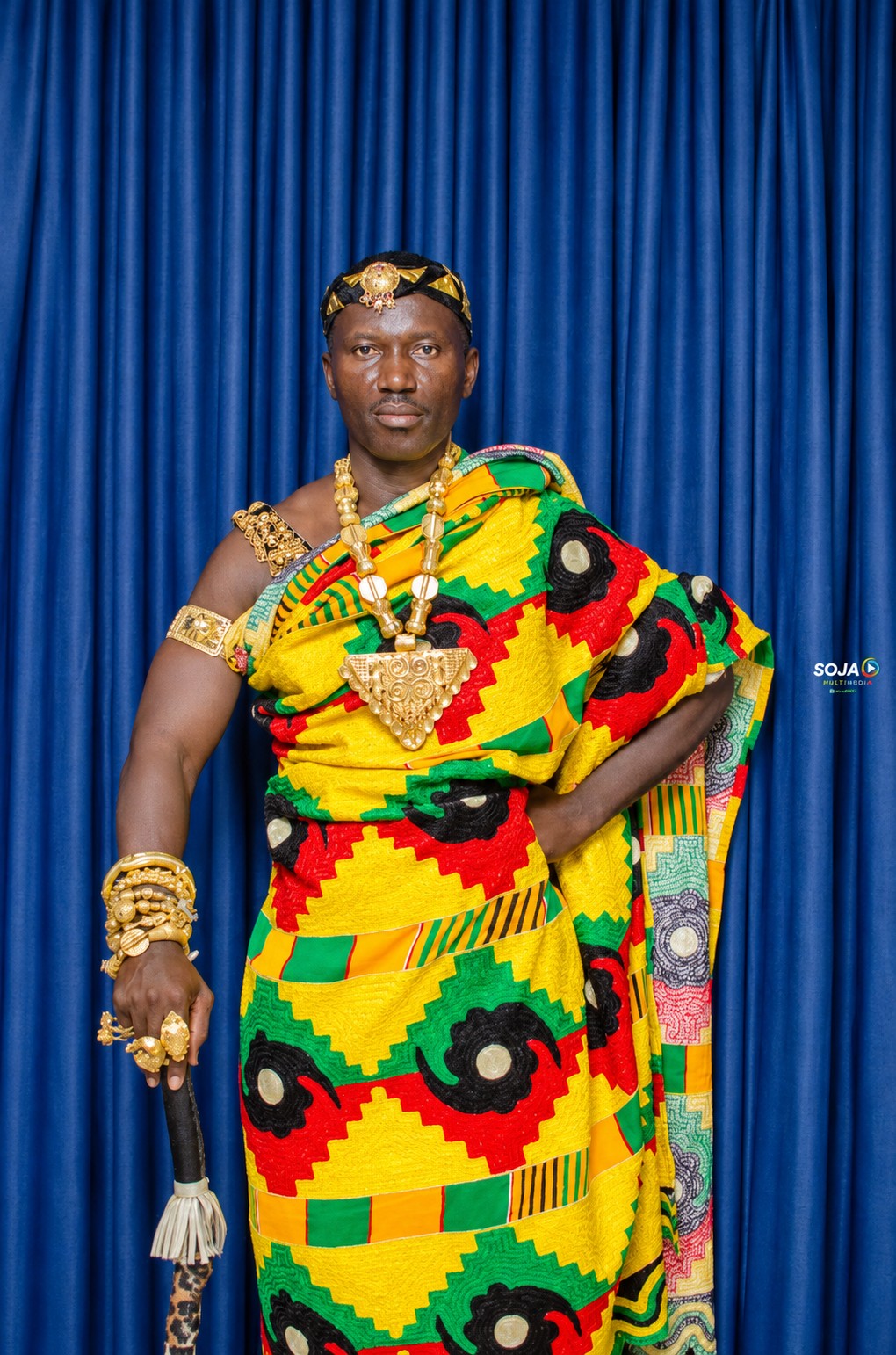
This page presents RAKU’s ministry vision and proposed areas of cooperation. Specific appointments, funded programs, delivery partners, and implementation milestones will be announced as they are established. Photographs illustrate the themes and do not imply a partnership or a completed RAKU project.
Explore cooperation with the Union ↗